
James Cameron
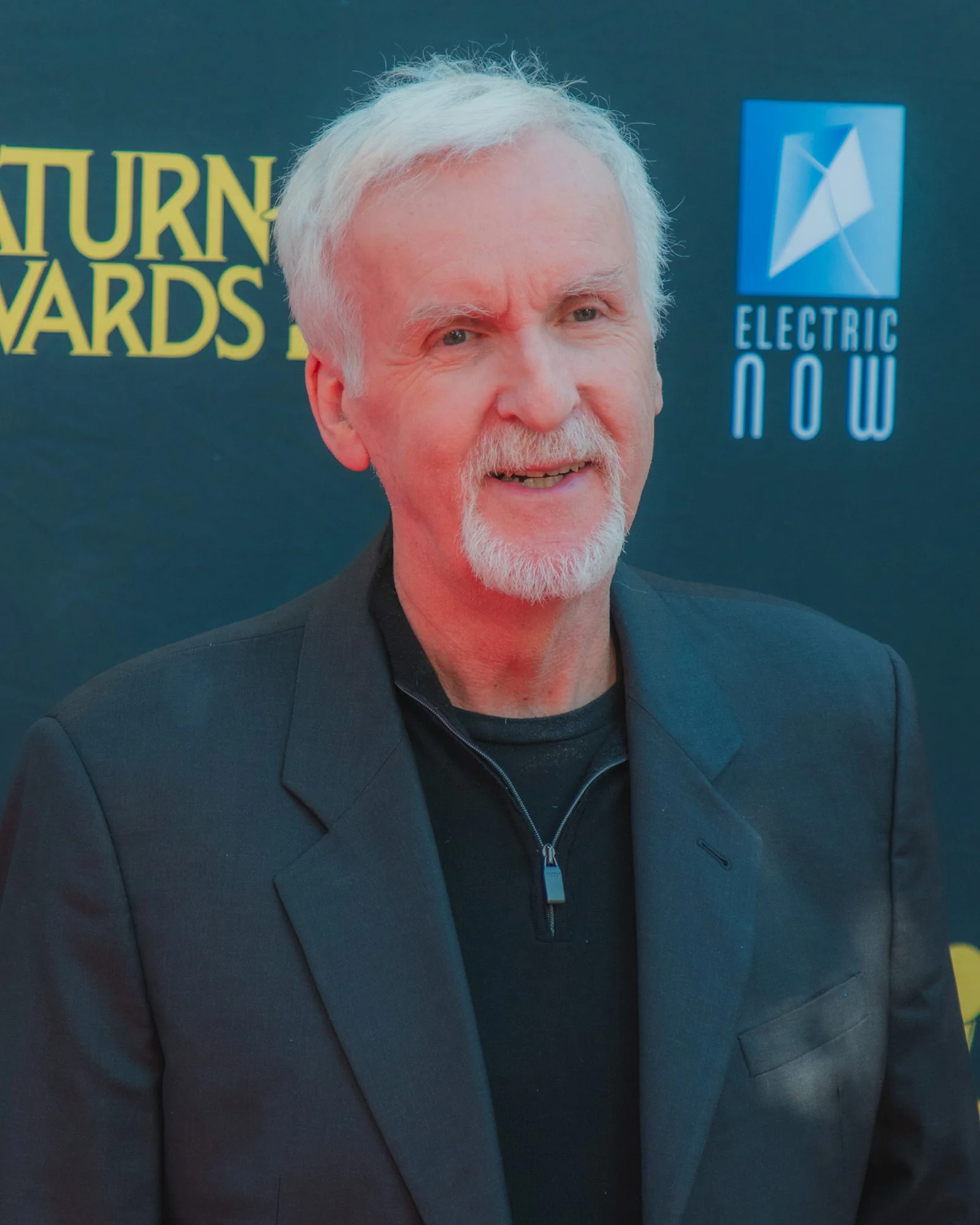
Image from Wikipedia
Image from Wikipedia
James Cameron: The Director Who Reinvented Blockbuster Cinema
A Visionary Between Deep Sea, Future, and Film History
James Francis Cameron is one of the most influential filmmakers of his generation: a Canadian-New Zealander director, producer, screenwriter, and editor, three-time Oscar winner, and an artist who not only masters action and science fiction cinema but continually redefines it. With Titanic, Avatar, and Avatar: The Way of Water, he created three of the four highest-grossing films in cinema history, combining spectacular staging with technical innovation and mainstream audience appeal. ([en.wikipedia.org](https://en.wikipedia.org/wiki/James_Cameron?utm_source=openai))
From Kapuskasing to Hollywood: The Early Years
Born on August 16, 1954, in Kapuskasing, Ontario, Cameron grew up in Canada and developed an early fascination with technology, fantasy, and visual storytelling. His career did not begin with a classic studio ascent but rather with a consistent approach to filmmaking through practical experience, craftsmanship, and a keen sense of how images can evoke emotions. This background continues to explain the blend of engineering spirit and narrative instinct that make his music career— in cinematic terms, his entire artistic development—so distinctive. ([en.wikipedia.org](https://en.wikipedia.org/wiki/James_Cameron?utm_source=openai))
The Breakthrough with Science Fiction and Action
Cameron achieved his international breakthrough with a series of style-defining science fiction and action films, including The Terminator (1984), Aliens (1986), The Abyss (1989), and Terminator 2: Judgment Day (1991). These works established him as a director who combines tension, pace, and technical precision with a clear sensitivity to character. Both critically and popularly, these films became reference points for modern genre cinema because Cameron never separates high-gloss staging from the emotional weight of the story. ([en.wikipedia.org](https://en.wikipedia.org/wiki/List_of_awards_and_nominations_received_by_James_Cameron?utm_source=openai))
Titanic: The Global Triumph
With Titanic, Cameron reached a cultural and commercial dimension in 1997 that few directors have ever achieved. The film combined a historical disaster drama with a romantic narrative and set standards in dramaturgy, production scale, and audience engagement. Titanic topped the US charts for 15 weeks and became the most successful film in the world at the time, grossing over $2.1 billion; Cameron also won an Oscar for direction, further solidifying his reputation as an architect of modern event cinema. ([britannica.com](https://www.britannica.com/biography/James-Cameron?utm_source=openai))
Avatar and the Revolution of 3D Cinema
With Avatar, Cameron opened a new chapter in 2009, pushing the boundaries of what blockbusters can achieve. The film, set on the planet Pandora, was perceived as a technological and aesthetic landmark, establishing 3D not just as an effect but as an immersive form of storytelling. Its sequel, Avatar: The Way of Water, continued this narrative in 2022, furthering the story of the Sully family with significant production effort, visual precision, and an evident environmental and familial perspective. ([avatar.com](https://www.avatar.com/movies/avatar?utm_source=openai))
Recent Projects and Latest Releases
Among Cameron's recent major projects is Avatar: Fire and Ash, the third film in the series, which, according to official Avatar and Disney sources, is set to be released in theaters on December 19, 2025. Alongside it, a documentary titled Fire And Water: Making The Avatar Films was released, in which Cameron served as Executive Producer, shedding light on the production process of the Avatar films. Additionally, Avatar 4 remains anchored as a Cameron project; the official franchise logic confirms that the series is envisioned to extend beyond the third installment. ([avatar.com](https://www.avatar.com/movies/avatar-fire-and-ash?utm_source=openai))
Style, Signature, and Cinematic Craft
Cameron's directorial style is based on clarity, movement, and technical consistency. His films combine precise action, controlled chaos, and a visual language that emphasizes spatial awareness, scale, and physical presence. In film history, he stands for spectacular production as well as the ability to translate technology into emotion: sensors, 3D, digital worlds, and VFX are not ends in themselves but tools of immersion. ([en.wikipedia.org](https://en.wikipedia.org/wiki/James_Cameron?utm_source=openai))
Filmography: Successes and Reception
Looking at Cameron's filmography reveals an extraordinarily coherent career: each major phase brought a work that redefined the audience experience. The Terminator and Aliens made him the master of tension-filled genre films, Titanic a global blockbuster, Avatar the renewer of the 3D blockbuster, and Avatar: The Way of Water a testament that its visual impact remains powerful decades later. The critical reception of his films varies from admiration for the technical revolution to discussions about pacing or dialogue, but these debates highlight his influence on the global cinematic landscape. ([en.wikipedia.org](https://en.wikipedia.org/wiki/List_of_awards_and_nominations_received_by_James_Cameron?utm_source=openai))
Awards, Authority, and Cultural Influence
Cameron is not only a commercially successful director but also a highly awarded filmmaker whose work frequently appears as a reference in award listings, retrospectives, and professional publications. His Oscar successes and the extraordinary box office earnings of his films make him one of the most authoritative figures in modern mainstream cinema. At the same time, his interest in deep-sea research and technological innovation has established a public profile that goes far beyond the traditional role of a film director. ([en.wikipedia.org](https://en.wikipedia.org/wiki/James_Cameron?utm_source=openai))
Voices of the Fans
On the official Facebook page of James Cameron and in the surrounding official Avatar presence, fan reactions are clearly visible: many celebrate the new installment as a long-awaited major event, while others passionately discuss the visual opulence, the length, and the future of the series. A typical comment under an official Avatar post suggests that the series returns even before the next pop culture mega-theme; other reactions reveal awe at the visual world and the attention to detail in Pandora's presentation. ([facebook.com](https://www.facebook.com/OfficialJamesCameron/?utm_source=openai))
Conclusion: Why James Cameron Remains Fascinating
James Cameron captivates because he sees cinema not as a routine but as a challenge. His music career, in the broader cultural sense, is a story of perpetual expansion: from consistent genre work to global blockbusters to technological frontiers that continually draw the audience back into the cinema. Anyone wanting to understand how modern popular cinema functions finds in Cameron one of the most influential architects of recent decades. Experiencing him live in a cultural sense means seeing his films on the big screen, where their full impact truly manifests. ([rolex.com](https://www.rolex.com/en-us/rolex-family/arts/james-cameron?utm_source=openai))
Official Channels of James Cameron:
- Instagram: no official profile found
- Facebook: https://www.facebook.com/OfficialJamesCameron/
- YouTube: no official profile found
- Spotify: no official profile found
- TikTok: no official profile found
Sources:
Upcoming Events
Best of Cinema: Terminator at KINOPOLIS Landshut