Mainkofen between Reform Psychiatry and NS Euthanasia: Experience History at the Place of Remembrance
Date and Time
Location
About this Event
Mood
Venue Type
A Place Remembers: Mainkofen between Reform Psychiatry and Nazi Euthanasia
The District Hospital Mainkofen invites you to an intense engagement with the history of the former healing and care institution. The event leads from the beginnings of modern reform psychiatry in 1911 to the darkest chapter of the facility during the Nazi dictatorship.
Architecture and Claim of Reform Psychiatry
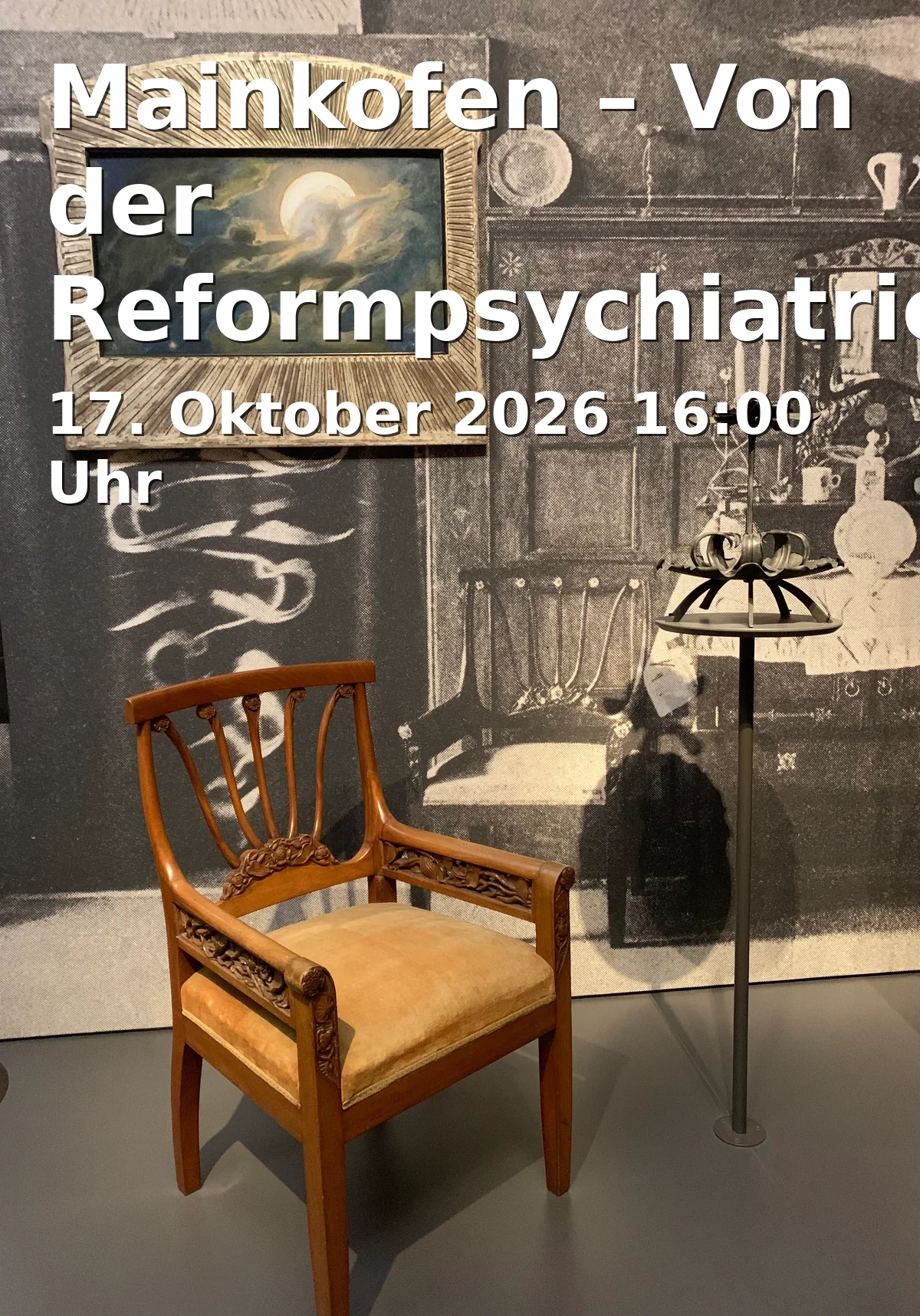
The hospital, built in a rural Art Nouveau style, was considered exemplary for contemporary psychiatric care at its opening. Architecture, treatment, and the idea of a more humane approach shaped the original claim of the institution. The historical complex forms the spatial starting point for a special examination of the work: not painting or sculpture is in the focus, but an authentic place of remembrance, whose buildings become historical witnesses.
The Crimes of Nazi Psychiatry
During the National Socialist era, the language of care transformed into an instrument of exclusion and extermination. People with mental illnesses or disabilities were defamed as genetically and socially inferior. More than 500 adolescents and adults from Mainkofen were forcibly sterilized. Over 600 patients were deported to the killing facility Hartheim near Linz, and more people died due to systematic undersupply and the so-called Bavarian Hunger Diet Decree.
Memorial as a Space of Silence
The memorial established in 2014 commemorates the victims of psychiatry under National Socialism. Names, historical documents, and the design of the cemetery grounds connect individual memory with political education. The former mortuary has been preserved as a place of silence. During guided tours, contemporary music for saxophone quartet is played, giving a voice to the victims and connecting the aesthetic experience with the historical remembrance.
Understanding History, Taking Responsibility
The event opens up a differentiated approach to the history of Nazi euthanasia and the post-history of the place. It combines historical information, memorial pedagogy, and an immediate exhibition atmosphere. Especially the encounter with the authentic site enables an intensive cultural education that translates abstract numbers into concrete human fates.
The artistic experience of this memorial site arises not from decorative staging but from the concentrated impact of space, material, names, and silence. The aesthetic experience supports the examination of the work and makes visible how a culture of remembrance shapes social responsibility.
Conclusion: A Necessary Visit to the Historical Site
Visitors can expect an informed, moving, and sustainably impactful engagement with reform psychiatry, Nazi crimes, and a culture of remembrance. Those who wish to experience history not just by reading but at an authentic site will find an important place for learning and remembrance in Mainkofen. The visit enriches cultural education and sharpens the view for human dignity, responsibility, and the dangers of inhuman ideologies.
Official Channels of District Hospital Mainkofen:
- Instagram: no official profile found
- Facebook: no official profile found
- YouTube: no official profile found
- Website: https://www.mainkofen.de/gedenkstaette/