
Clemens Prokop (Autor)
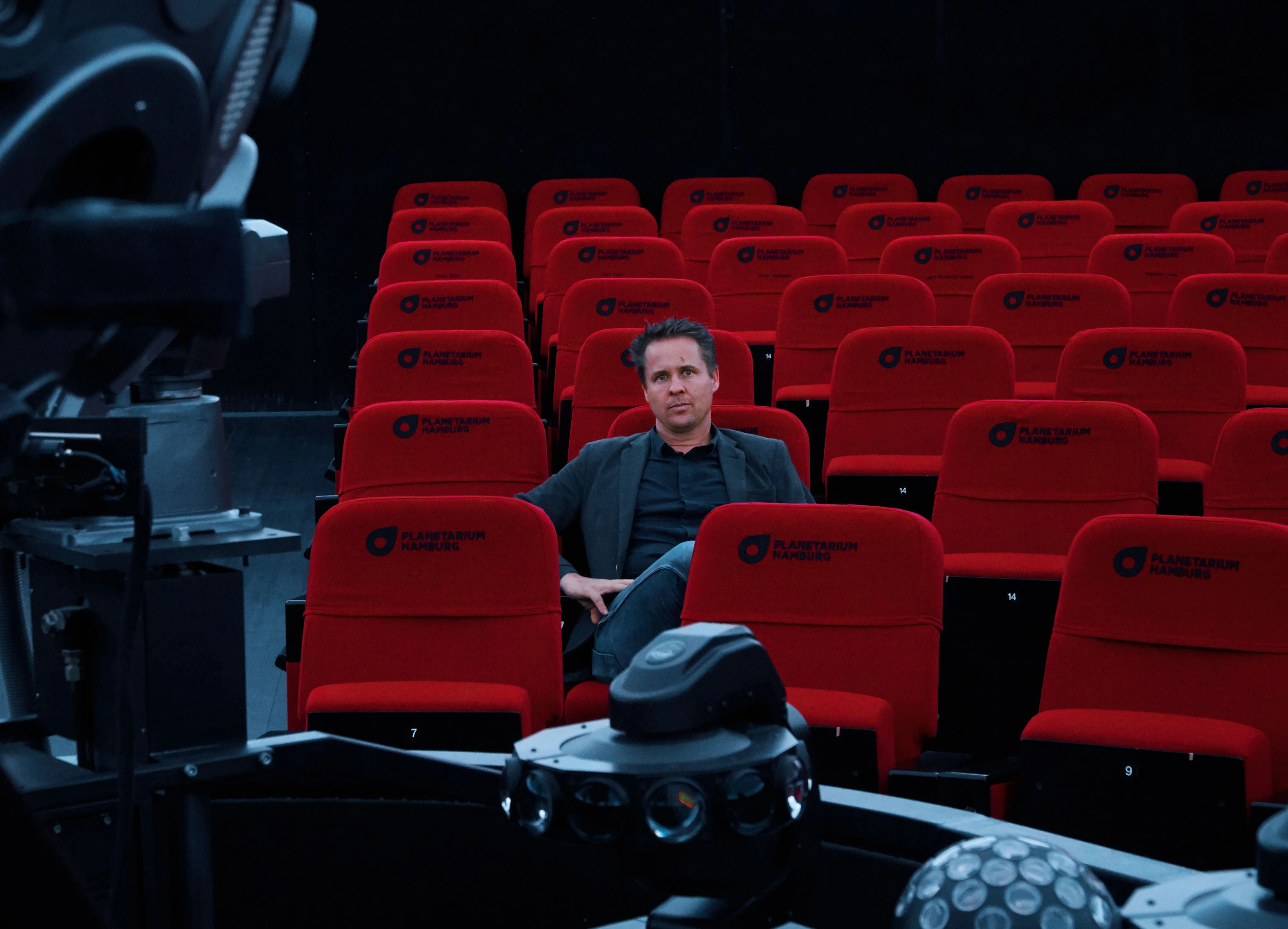
Image from Wikipedia
Image from Wikipedia
Clemens Prokop: Musicology, Music Production, and the Art of Translating Sound into Spaces
An Unusual Music Author Between Critique, Concept, and Production
Clemens Prokop, born on September 1, 1974, in Rosenheim, is part of a rare generation of cultural actors who combine musicology, journalistic analysis, and practical music production into one person. He studied musicology, theater studies, and modern German literature at LMU Munich and wrote music and opera critiques for Süddeutsche Zeitung, Financial Times Deutschland, and other media during his studies. This early combination of academic precision and journalistic practice continues to shape his profile as an author, music expert, and producer. ([de.wikipedia.org](https://de.wikipedia.org/wiki/Clemens_Prokop_%28Autor%29?utm_source=openai))
His career did not develop along the classical path of a stage singer or instrumental virtuoso, but through analysis, mediation, and strategic thinking in the music world. As a fellow of the ifp, he gained further journalistic experience before focusing more intensively on music strategy and production from 2002 onward. This is where the special quality of his work lies: Prokop views music not merely as an aesthetic product but as a cultural system comprising composition, space, reception, and production logic. ([de.wikipedia.org](https://de.wikipedia.org/wiki/Clemens_Prokop_%28Autor%29?utm_source=openai))
Biography: From Rosenheim to Munich and Beyond to Music Practice
Clemens Prokop's musical biography begins with solid training rather than a spectacular debut. His studies at LMU Munich laid the groundwork for a working style that integrates historical knowledge, stylistic classification, and editorial sharpness. Even before he fully devoted himself to music strategy, he wrote about opera, concerts, and musical theater for national media, thereby developing a perspective that takes cultural contexts seriously and thinks about artistic processes in context. ([de.wikipedia.org](https://de.wikipedia.org/wiki/Clemens_Prokop_%28Autor%29?utm_source=openai))
In the available sources, Prokop appears as someone who focuses his work on quality, structure, and substantive depth. The Wikipedia biography also mentions his residence in Wald near Zurich, which sharpens his profile as a culturally connected German-Swiss cultural worker. This geographical and professional mobility suits a body of work that aims less at public self-presentation and more at sustainable project reality. ([de.wikipedia.org](https://de.wikipedia.org/wiki/Clemens_Prokop_%28Autor%29?utm_source=openai))
Career Path: Music Critic, Author, Producer
As a music journalist, Prokop was active early on at the intersections of critique and mediation. His work for renowned newspapers such as Süddeutsche Zeitung and Financial Times Deutschland shows that he has navigated demanding journalistic environments. Later, he established himself as the author of several books on music, linking his name not only to reviews but also to music-related scholarly literature. ([de.wikipedia.org](https://de.wikipedia.org/wiki/Clemens_Prokop_%28Autor%29?utm_source=openai))
Since 2002, practical design of music has taken center stage for him. Together with his brother Nick Prokop, he develops concepts for music in spaces, produces music films and sound carriers, and operates under the cross-genre label Klanglogo. This work is not merely about managing sound; it is an artistic form of spatial dramaturgy: music is conceived here as an atmospheric and visual event, not just as a sound carrier product. ([de.wikipedia.org](https://de.wikipedia.org/wiki/Clemens_Prokop_%28Autor%29?utm_source=openai))
The connection to Rondeau Production in Leipzig, with which Klanglogo has cooperated since 2012, further points to a clearly defined production environment. Rondeau is particularly known for sacred choral music and high-quality recordings, which places Prokop's activities in a culturally demanding field that navigates between classical vocal music, conceptualization, and media-effective publication. This strengthens his authority as a music producer with a sense for repertoire, sound aesthetics, and presentation. ([de.wikipedia.org](https://de.wikipedia.org/wiki/Clemens_Prokop_%28Autor%29?utm_source=openai))
Musical Development: Music Strategy as Artistic Thinking
Prokop's work is strongly shaped by music strategy, a term that in his case goes far beyond marketing. It refers to the conscious development of concepts that bring sound, space, visual implementation, and audience perception together. The term production is thereby expanded: not only the recording and publication of a work count, but also the aesthetic overall architecture of a project. ([de.wikipedia.org](https://de.wikipedia.org/wiki/Clemens_Prokop_%28Autor%29?utm_source=openai))
The seriousness with which this way of thinking is taken is evident in the projects mentioned in the sources surrounding music films, sound carriers, and conceptual formats. On TYE’s LinkedIn page, Prokop is also positioned in an entrepreneurial-creative environment, confirming his work at the intersections of communication, culture, and strategy. In this setting, he appears less as a classic artist in the spotlight and more as a creative force behind the scenes of music production. ([de.linkedin.com](https://de.linkedin.com/in/clemens-prokop-a9a69813?utm_source=openai))
Discography and Publications: Books, Projects, Klanglogo
A classic discography in the sense of a solo musician cannot be derived from the available sources regarding Clemens Prokop. Instead, his work is documented through books, music-related publications, and production-oriented projects. His LinkedIn profile lists several publications, including Thomas Hampson: Do You Love for Beauty and Mozart – Don Giovanni; these titles reflect his affinity for opera, singing, and the communication of music history. ([de.linkedin.com](https://de.linkedin.com/in/clemens-prokop-a9a69813?utm_source=openai))
The Klanglogo label serves as the most important artistic and productive platform. The official website names Nick Prokop and Clemens Prokop as the managing directors of the involved structures, pointing to their shared entrepreneurial and creative responsibility. In combination with the cooperation with Rondeau Production, this creates the image of a production network that stylistically works across classical music, sacred music, and cross-genre concepts. ([klanglogo.de](https://www.klanglogo.de/?utm_source=openai))
Current Projects and Recent Activities
Current accessible information continues to portray Prokop as an active culture and music producer. The official or semi-official traces on LinkedIn and the Klanglogo page confirm that he remains present in the realm of TYE, music production, and creative strategies. However, public indications of new albums or independent musical releases by Clemens Prokop himself are not verifiable in the search results; mainly his functional roles as producer, co-designer, and concept developer remain visible. ([klanglogo.de](https://www.klanglogo.de/?utm_source=openai))
This form of artistic public presence is typical of actors who work between idea and implementation. Prokop's profile thrives on projects, not self-presentation, and that is what makes it exciting for culturally interested readers: here is someone who not only comments on music but structures, curates, and brings it into concrete aesthetic form. ([de.wikipedia.org](https://de.wikipedia.org/wiki/Clemens_Prokop_%28Autor%29?utm_source=openai))
Critical Assessment and Cultural Influence
The cultural significance of Clemens Prokop lies primarily in his mediating function. As a musicologist, author, and critic, he brings analytical depth to a field that is often viewed only through names, hype, and releases. His work with reputable media demonstrates the journalistic ambition to convey complex musical matters understandably and precisely. ([de.wikipedia.org](https://de.wikipedia.org/wiki/Clemens_Prokop_%28Autor%29?utm_source=openai))
Moreover, his influence can also be read institutionally and in terms of production practices. The connection between Klanglogo and Rondeau Production suggests a network that secures high-quality music projects long-term and sharpens their content. Such structures are particularly valuable for the German music landscape, as they closely connect repertoire maintenance, artistic production, and mediation. ([de.wikipedia.org](https://de.wikipedia.org/wiki/Clemens_Prokop_%28Autor%29?utm_source=openai))
Even though there is no classic hit discography or chart career, Prokop possesses a remarkable profile in music culture: he works on the conditions under which music is perceived, produced, and remembered. This makes him an authoritative voice in a field where expertise and trust are as important as creativity. ([de.wikipedia.org](https://de.wikipedia.org/wiki/Clemens_Prokop_%28Autor%29?utm_source=openai))
Conclusion: Why Clemens Prokop Remains Interesting
Clemens Prokop is fascinating because he understands music not merely as a product but as a culturally significant form. His music career connects critique, authorship, production, and strategic thinking in a rarely consistent way. Those who appreciate the mechanics behind music projects, the power of effective mediation, and the aesthetics of cleverly conceived sound spaces will find a profile of high professional density here. ([de.wikipedia.org](https://de.wikipedia.org/wiki/Clemens_Prokop_%28Autor%29?utm_source=openai))
This unique blend of scientific depth, journalistic experience, and productive practice makes his name intriguing for music lovers and cultural observers. Clemens Prokop represents a world of music where content, form, and staging interact. Anyone who encounters him meets a mindset that takes music seriously while giving it space. ([de.wikipedia.org](https://de.wikipedia.org/wiki/Clemens_Prokop_%28Autor%29?utm_source=openai))
Official Channels of Clemens Prokop:
- Instagram: no official profile found
- Facebook: no official profile found
- YouTube: no official profile found
- Spotify: no official profile found
- TikTok: no official profile found