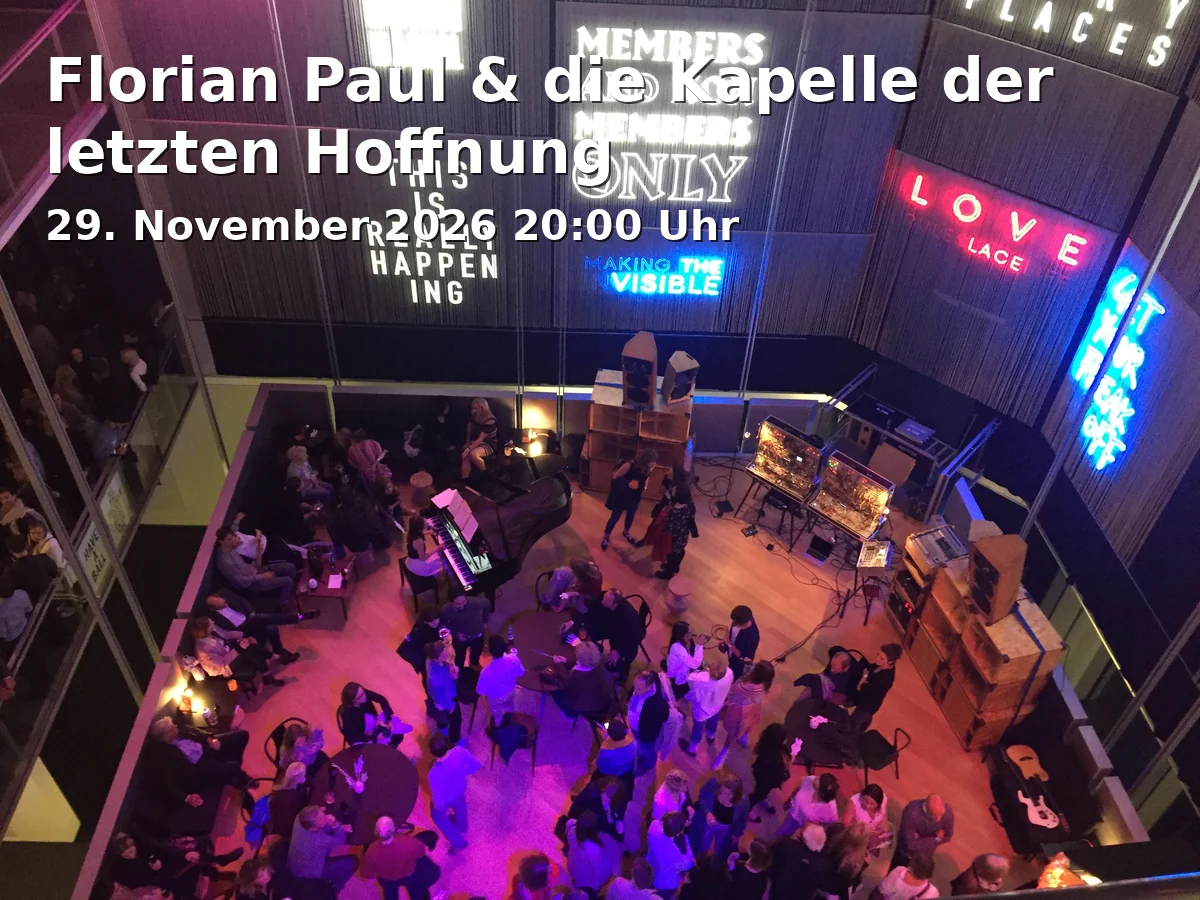
Hoffnung
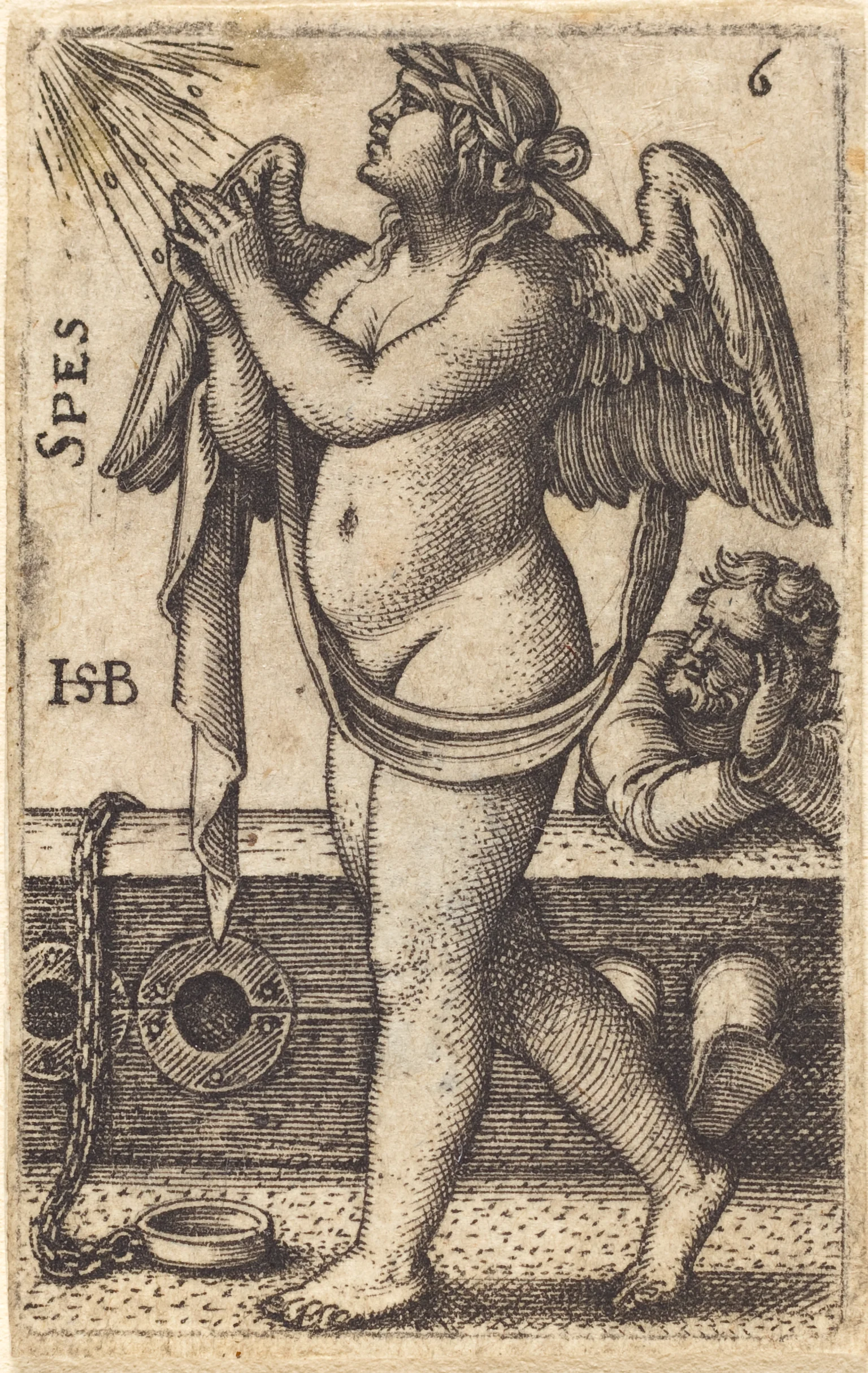
Image from Wikipedia
Image from Wikipedia
Hope – the motif that has driven music, language, and culture for centuries
A term full of tension, emotion, and artistic power
Hope is not a musician's name in the classical sense, but a central cultural and emotional motif that is continually recharged in music, literature, religion, and everyday language. The Wikipedia text describes hope as a confident inner orientation with positive expectation, even though no certainty exists; this very tension makes the term so powerful for art. In music history, hope therefore appears not only as a theme but as a dramatic force that shapes songs, albums, and entire eras. (de.wikipedia.org)
Those looking for an artist biography will encounter something different here: a word that functions as a cultural symbol and serves as an emotional resonance space in many works. Hope represents a connection to the future, inner mobility, and the willingness to bet on a good outcome despite uncertainty. In this interpretation, the term itself becomes an aesthetic figure – a motif that equally carries composition, text, and interpretation. (de.wikipedia.org)
Biography of a term: Origin, meaning, and transformation
The linguistic and conceptual history of hope reaches deep into cultural history. The Wikipedia text points out that an etymological connection to Middle Low German forms like hüppen is discussed but remains uncertain; what is certain, however, is that hope has acquired a clearly positive connotation in the German language. In philosophical and psychological interpretations, it is understood as an impulse to act, as an emotional investment in an open future. (de.wikipedia.org)
This richness of meaning explains why hope in music goes far beyond a mere mood word. It can function as a counterpoint to despair, resignation, or fear, making it a classic dramatic tension field for lyrics, harmonies, and arrangements. Particularly in songs and albums, hope is often depicted not naively but as a fragile state accompanied by doubt and vulnerability. (de.wikipedia.org)
Hope in music: From song title to album-length concept
In music, hope repeatedly emerges as a title, theme, or aesthetic guiding idea. A clear example is provided by Lacrimosa with the album Hoffnung, released in 2015 and designated as the band's twelfth studio release. The release shows how strongly the concept works in the rock and gothic context as an expression of darkness, redemption, and internal counter-movement. (en.wikipedia.org)
The album contains ten pieces and features a particularly long composition titled "Mondfeuer," which, according to Wikipedia, is the longest in the band's history. The fact that a work entitled Hoffnung is musically transformed into an elaborate, epic format demonstrates the symbolic reach of the term. Here, hope does not appear as simple optimism, but as an artistically condensed experience between loss, beauty, and new beginnings. (en.wikipedia.org)
Discography and reception: How hope functions as a concept
As an album title, Hoffnung stands among a series of works that do not treat the theme casually but programmatically center it. The Wikipedia entry for Lacrimosa's Hoffnung states the release date as November 6, 2015, and assigns the release to the Hall of Sermon label. Additionally, it documents that the album charted in Germany, reaching number 28; thus, the emotional symbolism of the title connects with measurable market success. (en.wikipedia.org)
Such data is important for musical classification because it shows that hope is not just a literary motif, but also has an impact in the pop and rock market. The reception of an album with this title often hinges on how convincingly musicians translate the contrast between vulnerability and confidence into sound, voice, and production. This is precisely where the strength of the term lies: It is open enough for many genres and precise enough to draw a clear emotional line. (en.wikipedia.org)
Musical development: Why hope is often chosen as a guiding idea
Hope particularly lends itself to musical narratives because the term keeps the future open while still providing orientation. In aesthetics, this can appear as a slow build-up of tension, as a dynamic intensification, or as interplay between minor tonality and uplifting harmony. In vocal music, hope is also a powerful tool, as the voice here not only conveys text but also makes emotional expectation audible. (de.wikipedia.org)
Historically, hope fits into many musical traditions, from sacred music to contemporary rock and experimental forms. The Wikipedia text explicitly names it as one of the three Christian virtues alongside faith and love; this explains why it is so deeply rooted in cultural memory. In music, this heritage is often secularized and reinterpreted as personal, societal, or political hope. (de.wikipedia.org)
Cultural influence: Between religion, psychology, and pop culture
The cultural influence of hope extends far beyond music. The Wikipedia text describes it as a comprehensive emotional orientation of humans towards the future and simultaneously names its antagonists, such as despair, hopelessness, resignation, and fear. This constellation makes the term a universal narrative core that functions equally well in songs, films, sermons, and everyday formulas. (de.wikipedia.org)
Particularly in pop culture, hope possesses a special radiance, as it bundles a collective need: the need not to stagnate in crises. The fact that artists repeatedly refer to this word demonstrates its emotional reach and stylistic openness. A title like Hoffnung thus feels immediately familiar yet layered, as it leads the listener into a space between doubt and confidence. (en.wikipedia.org)
Current context and missing artist profiles
No verified official social media profiles for an artist named Hoffnung could be clearly confirmed through web research. Instead, the search results led to other terms and projects with similar naming structures, such as bands, social initiatives, or thematically related pages, but not to a clearly identifiable official artist account. For a trustworthy artist page, this means: no fictitious channels, no insecure associations, and no fan quotes without verified platforms. (linktr.ee)
Additionally, a credible current music biography featuring new albums, tours, or collaborations for an artist named Hoffnung could not be verified. The sources found rather show that the term appears in very different musical contexts, such as an album title or as a thematic reference point. For an SEO-optimized artist page, this means: the focus rests on the cultural and musical significance of the term, not on a fictional person. (en.wikipedia.org)
Conclusion: Why hope remains a lasting musical motif
Hope fascinates because it does not offer a finished answer but describes a state between lack and possibility. This is precisely where music has always drawn its power: from the tension arc, from the search for light, from the interplay between uncertainty and confidence. Those who engage with this motif discover a central principle of artistic expressiveness that ranges from the grand ballad to the dark concept album. (de.wikipedia.org)
Hope remains exciting because it sounds new in every era and is told differently in every voice. As a term, a theme, and an emotional stance, it impressively connects music history, cultural criticism, and personal experience. Those wishing to experience hope live seek not just a concert but a stance that transforms music into a promise. (en.wikipedia.org)
Official channels of Hoffnung:
- Instagram: no official profile found
- Facebook: no official profile found
- YouTube: no official profile found
- Spotify: no official profile found
- TikTok: no official profile found
Sources:
Upcoming Events
Blitz & Hope / Rhythm & Cake
Castle Garden Concerts 2026: Suli Puschban and the Band
Film & Concert: Florian Paul and the Band of Last Hope
Florian Paul & the Chapel of Last Hope – No Turning Back Album Tour

Florian Paul & the Band of Last Hope - Kein Zurück Album Tour