
Wolfgang von Goldner
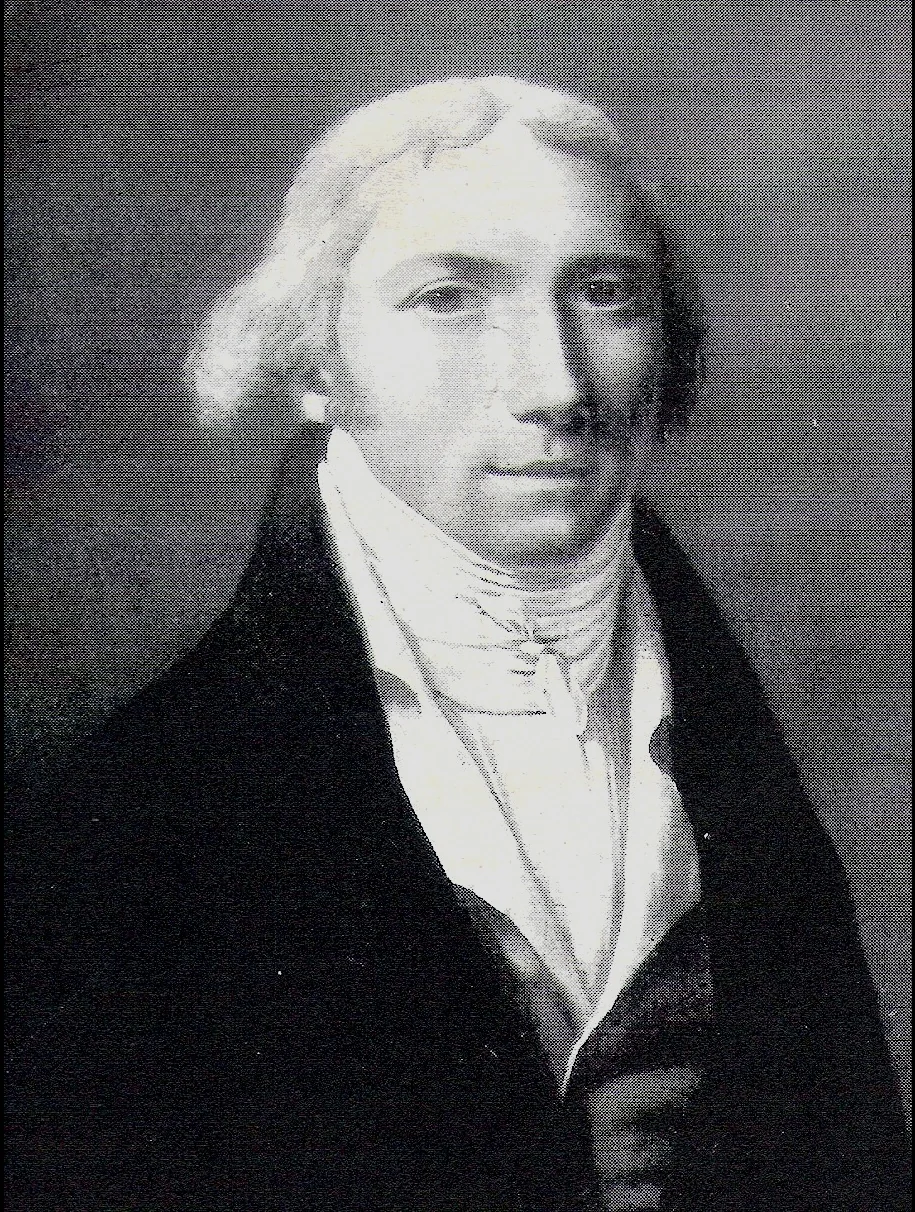
Image from Wikipedia
Image from Wikipedia
Wolfgang von Goldner: A Scholar, Diplomat, and Imperial Noble Through the Ages
Between Administration, Diplomacy, and Nobility: The Historical Figure of Wolfgang von Goldner
Wolfgang von Goldner, born as Wolfgang Christian Carl Ludwig Goldner, is one of those historical figures whose life is not defined by stage applause or studio recordings, but rather by political responsibility, administrative precision, and diplomatic skill. The birthplace attributed to him in Wiesbaden, Hanau, or Offenbach is not definitively established in the sources; likewise, the exact birth year remains open between 1764 and 1765. What is certain, however, is that Goldner died on February 23, 1837, in Frankfurt am Main and served under the princes Wolfgang Ernst II and Carl Friedrich of Isenburg. ([dewiki.de](https://dewiki.de/Lexikon/Wolfgang_von_Goldner?utm_source=openai))
The sources outline the profile of a man who rose to prominence within the courtly and state order of the late imperial period. From 1794, Goldner took on various political and administrative offices in Offenbach, becoming an integral figure in the immediate vicinity of the Isenburg residence. His career culminated in 1801 with his elevation to noble status, a move that visibly strengthened his position at court and underscored his significance for the governance practices of the Isenburg rulers. ([dewiki.de](https://dewiki.de/Lexikon/Wolfgang_von_Goldner?utm_source=openai))
Background and Early Influence
Goldner's background points to a cultured environment rooted in administration and court service. His father, Ludwig Philipp Wolfgang Goldner, was a government councilor and princely-Isenburg government and court councilor, suggesting a familial closeness to administration, law, and power structures. This background explains why Goldner later pursued a career in the legal-diplomatic service and managed to establish himself within the Isenburg government. ([dewiki.de](https://dewiki.de/Lexikon/Wolfgang_von_Goldner?utm_source=openai))
Especially during the political upheavals of the late 18th century, legal expertise gained weight. Goldner's biography exemplifies a generation of officials and advisors who had to navigate between imperial constitution, territorial interests, and court representation. While the exact training he received is not detailed in the available sources, his later role as a Privy Councilor indicates that he possessed the necessary trust, legal, and administrative competence. ([dewiki.de](https://dewiki.de/Lexikon/Wolfgang_von_Goldner?utm_source=openai))
Career in the Service of the Princes of Isenburg
From 1794, Wolfgang von Goldner can be traced in the residence of Offenbach, where he took on various political and administrative tasks. Later sources refer to him as a Privy Councilor; thus, he belonged to the core advisory circle of the rule and was involved not only in executing but also in shaping the governance affairs of the House of Isenburg. Such positions required diplomatic reliability, loyalty, and the ability to translate political interests into administrative actions. ([dewiki.de](https://dewiki.de/Lexikon/Wolfgang_von_Goldner?utm_source=openai))
A highlight of his work was the trip with Hereditary Prince Carl to Paris in 1801, where negotiations were held for a proposed territorial exchange. Isenburg intended to exchange its portion on the left bank of the village of Gelnhaar for Fechenheim, which was located on the right bank of the Main River. This mission underscores that Goldner was not only tasked with legal and administrative duties but was also employed in territorial and diplomatic matters of great significance for the sovereignty of smaller imperial territories. ([dewiki.de](https://dewiki.de/Lexikon/Wolfgang_von_Goldner?utm_source=openai))
In 1802 and 1803, Goldner served as Privy Councilor and authorized representative of the Wetterau Count College at the Imperial Diet in Regensburg. This position marked an important phase in his career, as Regensburg was a focal point for the political reorganization of the Old Empire. Here, Goldner acted as a representative of institutional interests and operated in an environment where legal argumentation, negotiation skills, and political tact were closely interrelated. ([dewiki.de](https://dewiki.de/Lexikon/Wolfgang_von_Goldner?utm_source=openai))
Noble Status and Social Ascendancy
In 1801, Prince Wolfgang Ernst II successfully obtained noble status for Goldner from Emperor Franz II. The elevation to noble rank was more than a personal honor: it documented recognition for services rendered and simultaneously reinforced the symbolic order of the court. For Goldner, the noble title meant a definitive entry into a socially enhanced sphere, which further legitimized his role as a political and administrative actor. ([dewiki.de](https://dewiki.de/Lexikon/Wolfgang_von_Goldner?utm_source=openai))
In historical context, the rise in nobility was often closely tied to administrative achievements, loyalty, and diplomatic utility. Goldner's career exemplifies this pattern. His closeness to the princes, his engagement in negotiations, and his position as a Privy Councilor portray him as one of those who enabled the functioning of smaller territories in the Old Empire. ([dewiki.de](https://dewiki.de/Lexikon/Wolfgang_von_Goldner?utm_source=openai))
Political and Cultural Context of His Time
Goldner's lifetime fell within an era of profound upheavals. The Holy Roman Empire was undergoing a reorganization at the end of the 18th and beginning of the 19th century, characterized by French influences, territorial shifts, and institutional changes. In this turbulent environment, officials like Goldner became key figures as they mediated between princely rule, regional interests, and imperial political structures. ([dewiki.de](https://dewiki.de/Lexikon/Wolfgang_von_Goldner?utm_source=openai))
Even though Goldner left behind no artistic discography or musical oeuvre in the strict sense, his biography holds cultural-historical value. It recounts the culture of administration and diplomacy at smaller German courts, court personnel politics, and the mechanisms of ascent in the late Old Empire. This precisely is where the historical tension of his person lies: in the combination of legal sobriety and political relevance. ([dewiki.de](https://dewiki.de/Lexikon/Wolfgang_von_Goldner?utm_source=openai))
Transmission, Sources, and Historical Contextualization
The transmission concerning Wolfgang von Goldner remains vague in several respects. Neither the place nor the year of birth is definitively established, and the detail about his education and personal circumstances is limited. Nonetheless, the available sources allow for a clear classification of his function: Goldner was a jurist and diplomat who played a significant role in the administration and external representation of the Isenburgs. ([dewiki.de](https://dewiki.de/Lexikon/Wolfgang_von_Goldner?utm_source=openai))
Such biographies thrive on the precision of the few secured data. His mention as a Privy Councilor, the ennoblement in 1801, the negotiations in Paris, and the activities in Regensburg create a consistent picture of a man with influence and trust. Precisely because the sources are scarce, these stations stand out even more clearly, giving Goldner's life path historical contours. ([dewiki.de](https://dewiki.de/Lexikon/Wolfgang_von_Goldner?utm_source=openai))
Conclusion: Why Wolfgang von Goldner Remains Interesting Today
Wolfgang von Goldner represents a political elite that organized the practical work of rule in the shadow of great revolutionary and upheaval movements. His life connects law, diplomacy, administration, and social ascent into an impressive portrait from the late era of the Old Empire. Anyone interested in the history of smaller German territories, court culture, and the mechanics of historical power will find in Goldner a remarkable figure. ([dewiki.de](https://dewiki.de/Lexikon/Wolfgang_von_Goldner?utm_source=openai))
It is precisely this mixture of discretion and influence that makes him fascinating: Goldner was not a loud actor but an effective one. His biography shows how much historical developments were driven by individuals who conducted negotiations, structured administrative spaces, and secured political transitions. His story invites a renewed focus on the often-overlooked shapers of German history. ([dewiki.de](https://dewiki.de/Lexikon/Wolfgang_von_Goldner?utm_source=openai))
Official Channels of Wolfgang von Goldner:
- Instagram: No official profile found
- Facebook: No official profile found
- YouTube: No official profile found
- Spotify: No official profile found
- TikTok: No official profile found